Have you noticed a bony protrusion on the side of your big toe? If so, you may have developed the foot condition known as a bunion. Don't let bunions interfere with your daily activities.
Have you noticed a bony protrusion on the side of your big toe? If so, you may have developed the foot condition known as a bunion. Don't let bunions interfere with your daily activities.
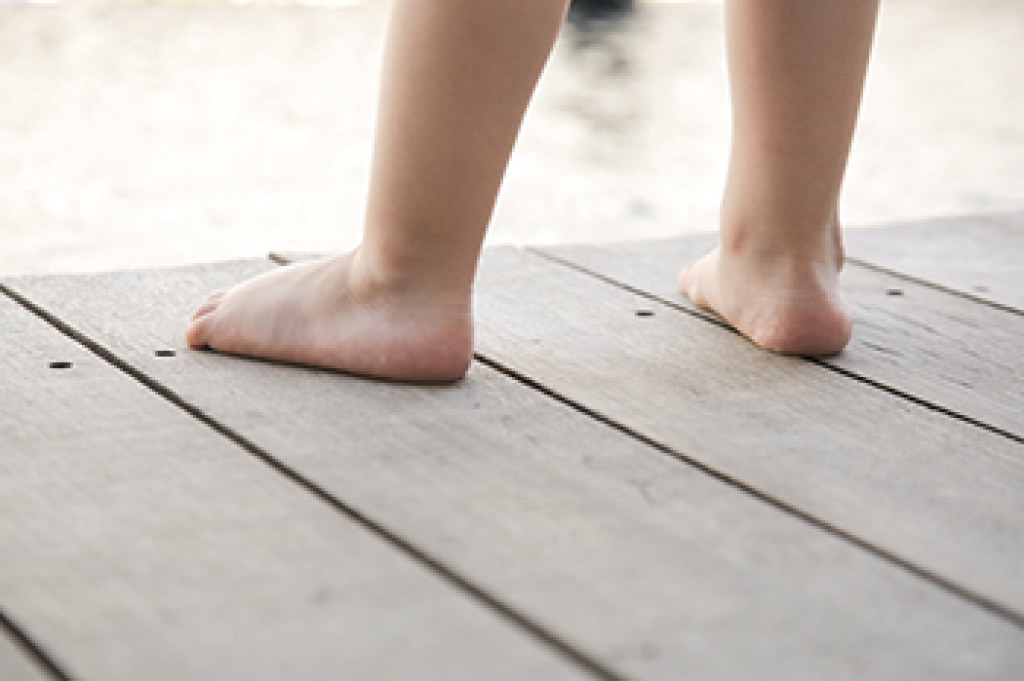
Overpronation happens when the foot rolls inward too much while walking or running. A small amount of inward movement is normal because it helps absorb impact. With overpronation, the arch may flatten excessively and the ankle can move inward. Symptoms include arch discomfort, heel pain, and aching ankles. Some people may also notice knee or lower-leg discomfort. Risk factors include flat feet, certain foot structures, and activities that place repeated stress on the feet.
Several factors can contribute to overpronation. Genetics can influence arch height and foot alignment. Weakness or instability in the foot may also affect movement. Extra body weight can increase pressure while walking. Long periods of standing or repetitive running may make symptoms more noticeable. One challenge with overpronation is that altered foot mechanics can place stress on nearby joints. Poorly supportive shoes may increase discomfort, especially during exercise or long periods on your feet.
A podiatrist can evaluate overpronation by examining your feet while you stand and walk. The evaluation may include checking the arches, ankle position, and walking pattern. Your shoes may also be reviewed for uneven wear. Treatment depends on the cause and severity of the symptoms. A podiatrist may recommend supportive footwear, custom orthotics, or cushioning. They may also suggest reducing activities that increase pain while your feet heal. Addressing the underlying mechanics can help improve comfort and function.
Understanding overpronation can help you recognize problems before they interfere with daily activities. Supportive footwear and proper foot care may reduce unnecessary stress. However, ongoing pain should not be ignored. A podiatrist can determine whether overpronation is contributing to your symptoms and recommend appropriate care. If you have symptoms associated with overpronation, it is suggested that you consult a podiatrist for an accurate diagnosis and appropriate treatment.
If you have any concerns about your feet, contact one of our providers from Advanced Foot & Ankle Care Centers. Our providers can provide the care you need to keep you pain-free and on your feet.
Biomechanics in Podiatry
Podiatric biomechanics is a particular sector of specialty podiatry with licensed practitioners who are trained to diagnose and treat conditions affecting the foot, ankle and lower leg. Biomechanics deals with the forces that act against the body, causing an interference with the biological structures. It focuses on the movement of the ankle, the foot and the forces that interact with them.
A History of Biomechanics
Modern technological improvements are based on past theories and therapeutic processes that provide a better understanding of podiatric concepts for biomechanics. Computers can provide accurate information about the forces and patterns of the feet and lower legs.
Understanding biomechanics of the feet can help improve and eliminate pain, stopping further stress to the foot.
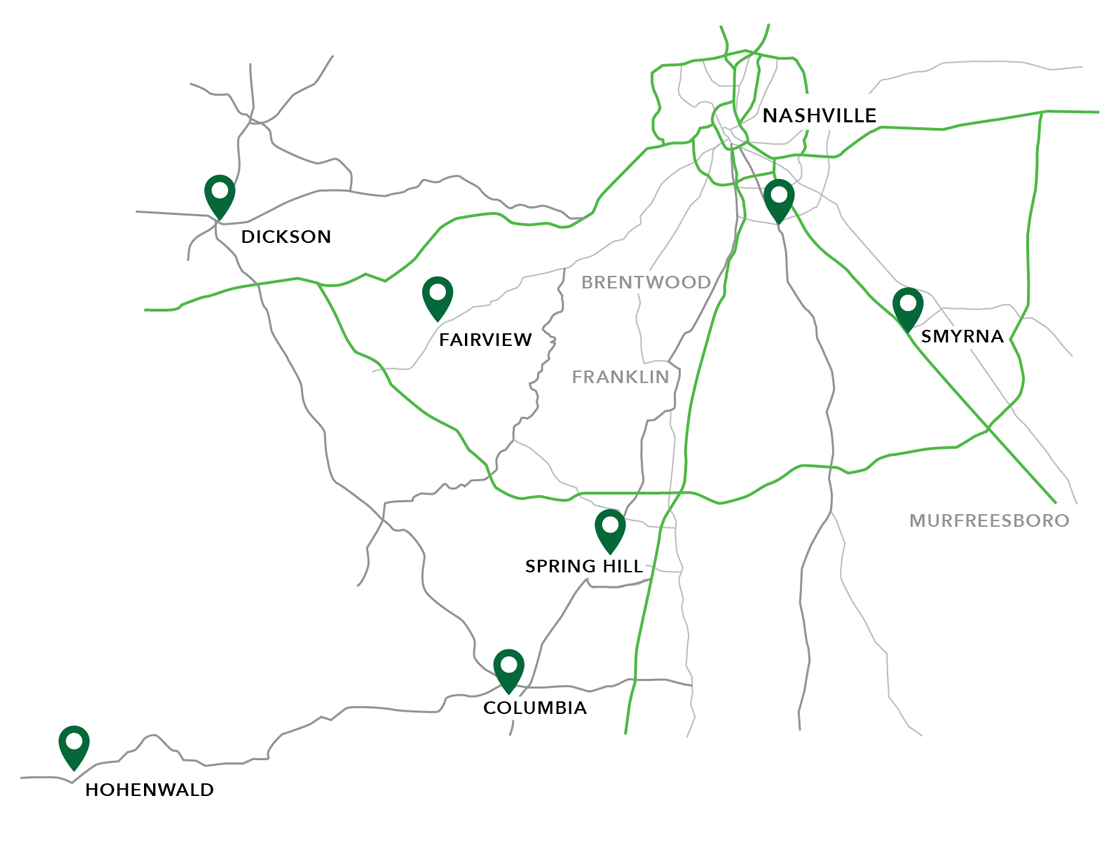
If you have any questions please feel free to contact our offices located in Nashville, Smyrna, Spring Hill, Columbia, Dickson, Fairview, Hohenwald, TN and Midtown, TN . We offer the newest diagnostic and treatment technologies for all your foot and ankle needs.
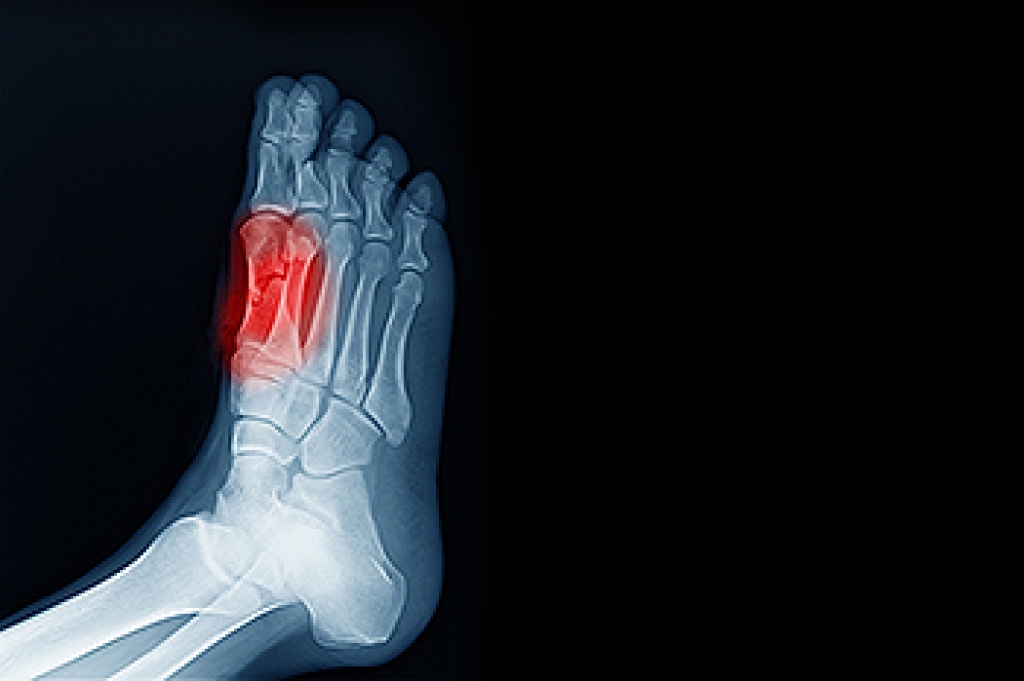
Sesamoiditis is irritation or inflammation of the two sesamoid bones beneath the big toe joint. These tiny bones help absorb pressure and support movement. Sesamoiditis causes pain under the ball of the foot, especially beneath the big toe. Discomfort may develop gradually and worsen during activity. Tenderness, swelling, and pain when bending the big toe can also occur. Pain may increase with weight-bearing and repeated push-off. This condition affects the underside of the forefoot.
Several factors can increase the risk of developing sesamoiditis. Activities that place repeated pressure on the forefoot can contribute, particularly running, dancing, or jumping. Wearing high-heeled or poorly cushioned shoes may increase stress around the sesamoids. Foot structure can affect pressure distribution and place extra stress on the sesamoids. A sudden increase in activity may trigger symptoms. Repetitive stress, direct injury, and prolonged standing are common causes. People who participate in sports requiring push-off may have a greater risk.
A podiatrist begins treatment by reviewing symptoms, activities, and history. A foot examination helps identify tenderness and pain with movement. X-rays may be recommended to check the bones and rule out a fracture. Treatment options include activity changes, wearing supportive footwear, or temporary immobilization when appropriate. Medication may help control pain, when appropriate. Activity is gradually adjusted as healing progresses, helping prevent a flare-up.
Sesamoiditis can improve when repeated stress is addressed early. Wearing comfortable shoes with adequate cushioning and avoiding painful activities can help protect the area during recovery. Do not ignore persistent pain beneath the big toe, especially when walking becomes difficult. A podiatrist can determine whether sesamoiditis is responsible for your symptoms and create a treatment plan suited to your needs. If you have symptoms of sesamoiditis, it is suggested that you consult a podiatrist for an accurate diagnosis and appropriate treatment.
Sesamoiditis is an unpleasant foot condition characterized by pain in the balls of the feet. If you think you’re struggling with sesamoiditis, contact one of our providers of Advanced Foot & Ankle Care Centers. Our providers will treat your condition thoroughly and effectively.
Sesamoiditis
Sesamoiditis is a condition of the foot that affects the ball of the foot. It is more common in younger people than it is in older people. It can also occur with people who have begun a new exercise program, since their bodies are adjusting to the new physical regimen. Pain may also be caused by the inflammation of tendons surrounding the bones. It is important to seek treatment in its early stages because if you ignore the pain, this condition can lead to more serious problems such as severe irritation and bone fractures.
Causes of Sesamoiditis
Treatment for sesamoiditis is non-invasive and simple. Doctors may recommend a strict rest period where the patient forgoes most physical activity. This will help give the patient time to heal their feet through limited activity. For serious cases, it is best to speak with your doctor to determine a treatment option that will help your specific needs.
If you have any questions, please feel free to contact our offices located in Nashville, Smyrna, Spring Hill, Columbia, Dickson, Fairview, Hohenwald, TN and Midtown, TN . We offer the newest diagnostic and treatment technologies for all your foot care needs.

Corns are thickened areas of skin that develop when the feet experience repeated pressure or friction. They frequently appear on the tops or sides of the toes, where shoes can rub against the skin. Unlike calluses, which tend to cover larger areas, corns are usually smaller and have a firm center. They can become painful when pressure is placed on them. Wearing shoes that are too tight can contribute to corns, especially when the toes are crowded or repeatedly rub against the inside of the shoe.
Foot structure can also play a role in corn development. A hammertoe or another change in toe position can create areas of increased pressure inside a shoe. Corns can also form between the toes, where skin repeatedly rubs together. These corns can remain softer because moisture collects between the toes. People with diabetes or poor blood flow need to be especially careful with corns because foot injuries can lead to serious complications. Persistent pain, redness, or changes in the surrounding skin deserve evaluation. Repeated corns can signal an underlying pressure problem that should be addressed.
A podiatrist can examine a corn and determine what is causing pressure on the affected area. The evaluation can include checking foot structure, toe position, and how shoes fit. A podiatrist can safely reduce thickened skin and recommend padding or other devices to protect sensitive areas. Treatment can also address structural problems that contribute to repeated pressure. In some cases, surgery can be considered when a foot deformity causes ongoing pain and conservative treatment does not provide enough relief. Proper evaluation can help prevent recurring corns and protect surrounding skin. If you have developed corns on the feet, it is suggested that you schedule an appointment with a podiatrist for effective relief and treatment solutions.
If you have any concerns regarding your feet and ankles, contact one of our providers of Advanced Foot & Ankle Care Centers. Our providers will treat your foot and ankle needs.
Corns: What Are They? and How Do You Get Rid of Them?
Corns can be described as areas of the skin that have thickened to the point of becoming painful or irritating. They are often layers and layers of the skin that have become dry and rough, and are normally smaller than calluses.
Ways to Prevent Corns
There are many ways to get rid of painful corns such as wearing:
Treating Corns
Treatment of corns involves removing the dead skin that has built up in the specific area of the foot. Consult with Our providers to determine the best treatment option for your case of corns.
If you have any questions, please feel free to contact our offices located in Nashville, Smyrna, Spring Hill, Columbia, Dickson, Fairview, Hohenwald, TN and Midtown, TN . We offer the newest diagnostic and treatment technologies for all your foot care needs.
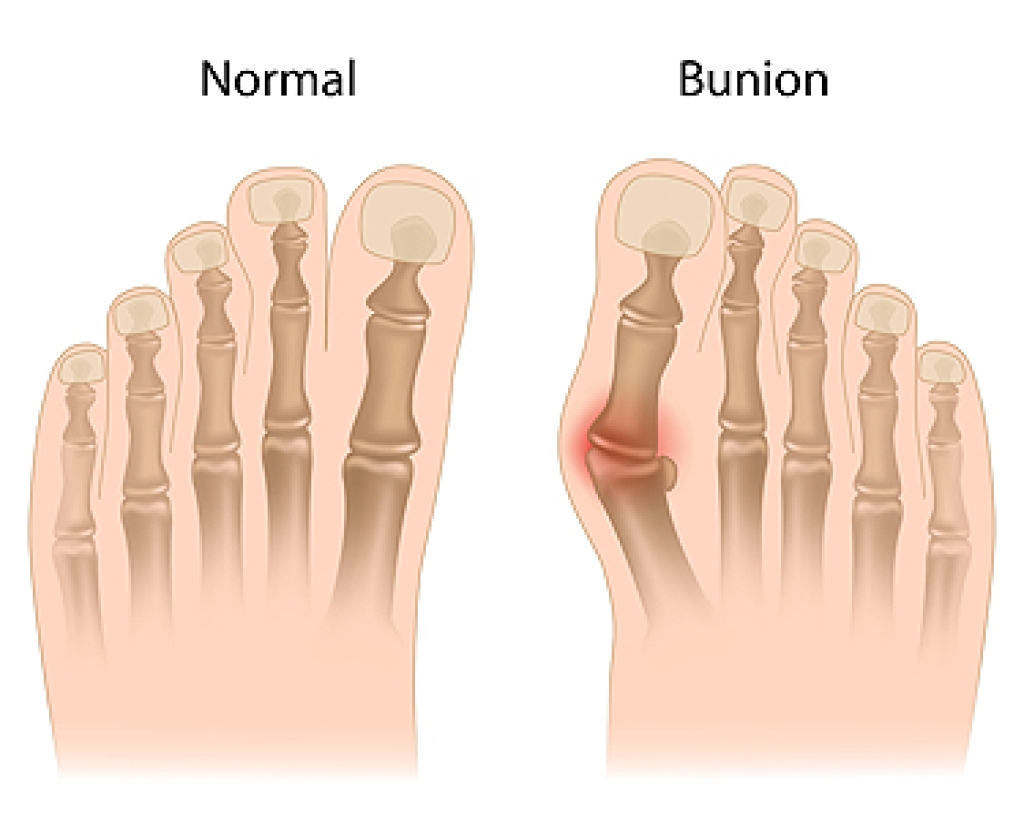
A bunion is a foot deformity that develops when the big toe gradually moves toward the smaller toes while the joint at its base shifts outward. This creates a noticeable bump along the inside of the foot near the big toe joint. Bunions usually develop gradually and may become more prominent over time. Although some people experience little discomfort, others may develop pain, swelling, or stiffness. Shoes that press against the bump can cause friction and irritation, making standing and walking uncomfortable.
Bunion symptoms can become more noticeable as the deformity progresses. Pain may occur while walking, standing, or while wearing narrow shoes. Swelling and tenderness surrounding the joint are common, and repeated pressure may lead to calluses or thickened skin. The big toe may become less flexible and gradually move closer to the second toe. Genetics, inherited foot structure, abnormal foot mechanics, and footwear that places excessive pressure on the toes may contribute to bunion development. A family history of bunions can also increase the risk.
A podiatrist can evaluate the bunion and determine how it affects foot function. An examination may assess toe alignment, joint movement, and walking mechanics. X-rays may also be recommended to evaluate bone alignment and changes within the joint. Treatment depends on the severity of the bunion and the symptoms involved. Conservative options may include wider shoes, protective padding, and other measures designed to reduce pressure and improve comfort. Surgery may be considered when persistent pain significantly interferes with daily activities.
Early attention to bunion symptoms can help manage discomfort and support healthy foot function. Wearing shoes with adequate room around the toes can reduce pressure on the affected joint. Ongoing pain, swelling, or difficulty wearing shoes should not be ignored. If you have a painful or swollen bunion, it is suggested that you consult a podiatrist for an evaluation, appropriate treatment, and long-term management.
If you are suffering from bunions, contact one of our providers of Advanced Foot & Ankle Care Centers. Our providers can provide the care you need to keep you pain-free and on your feet.
What Is a Bunion?
A bunion is formed of swollen tissue or an enlargement of boney growth, usually located at the base joint of the toe that connects to the foot. The swelling occurs due to the bones in the big toe shifting inward, which impacts the other toes of the foot. This causes the area around the base of the big toe to become inflamed and painful.
Why Do Bunions Form?
Genetics – Susceptibility to bunions are often hereditary
Stress on the feet – Poorly fitted and uncomfortable footwear that places stress on feet, such as heels, can worsen existing bunions
How Are Bunions Diagnosed?
Podiatrists often perform two tests – blood tests and x-rays – when trying to diagnose bunions, especially in the early stages of development. Blood tests help determine if the foot pain is being caused by something else, such as arthritis, while x-rays provide a clear picture of your bone structure to your provider.
How Are Bunions Treated?
If you have any questions, please feel free to contact our offices located in Nashville, Smyrna, Spring Hill, Columbia, Dickson, Fairview, Hohenwald, TN and Midtown, TN . We offer the newest diagnostic and treatment technologies for all your foot care needs.
Nashville Foot &
Ankle Center
Smyrna Foot &
Ankle Center
Spring Hill Foot &
Ankle Center
Columbia Foot &
Ankle Center
Dickson Foot &
Ankle Center
Fairview Foot &
Ankle Center
Hohenwald Foot &
Ankle Center
Midtown Foot &
Ankle Center